

|
|
|
Arts > Music > Gospel, Blues, Blues rock, R&B
20th, early 21st century
USA, UK, Northern Ireland
Joe Bonamassa, Eric Gales, John McLaughlin Breaking Up Somebody's Home (Live) [Crossroads 2023] music video Rhino 25 October 2024
Joe Bonamassa, Eric Gales and John McLaughlin perform "Breaking Up Somebody's Home" at the 2023 Crossroads Guitar Festival.
YouTube https://www.youtube.com/watch?v=fUt1HKjtXxE
https://en.wikipedia.org/wiki/
https://en.wikipedia.org/wiki/
https://www.npr.org/artists/111755712/
Henry St. Claire Fredericks Jr. USA
stage name Taj Mahal
https://www.npr.org/artists/16267403/
https://en.wikipedia.org/wiki/
https://www.nytimes.com/2026/05/09/
https://www.npr.org/sections/goats-and-soda/2024/07/29/
https://www.theguardian.com/music/2022/apr/25/
https://www.theguardian.com/music/2008/oct/03/
https://www.theguardian.com/music/2005/jun/22/
https://www.theguardian.com/music/2005/jun/10/
https://www.theguardian.com/books/2001/sep/09/
https://www.theguardian.com/culture/2000/nov/10/
Bobby Rush USA
Rush was born Emmett Ellis Jr. in northwest Louisiana.
His father, Ellis Sr., was a preacher and sharecropper;
his mother, Mattie, a mixed-race homemaker who passed for white.
Rush, the sixth of 10 children, said his mother acted differently when the family went into town.
“Many times when I was in the public, she wasn’t my mom.
She was my babysitter, and my dad was her chauffeur,” he said.
“It was a strange situation.”
Rush’s family moved to Sherrill, a small town in the Arkansas Delta, when he was still a child.
By his early teens, Rush was regularly sneaking into the music clubs in nearby Pine Bluff, a hub of Black culture and commerce.
In his book, the Arkansas Delta years are when Rush becomes a character in the history of the blues.
It is where he befriended Elmore James, learned to wear his hair like Big Joe Turner, absorbed the harp playing of Sonny Boy Williamson, and first saw the Rabbit Foot Minstrels, the Black vaudeville group that he briefly joined.
Arkansas is also where Rush fell in love with the spaces where African-American culture flourished in the segregated South, and changed his name.
In “juke joints we fixed onto being segregated.
Being in the thick of ourselves with our own groove,” he writes.
“There was freedom in these places.”
https://www.nytimes.com/2021/06/10/
https://www.nytimes.com/2021/06/10/
Christone 'Kingfish' Ingram USA
https://www.npr.org/2019/05/09/
Thomas Alan "Tom" Waits USA
https://en.wikipedia.org/wiki/
https://en.wikipedia.org/wiki/
https://www.npr.org/sections/allsongs/2015/10/03/
https://www.theguardian.com/books/2006/dec/09/
Canned Heat USA
American blues and rock band formed in Los Angeles in 1965
https://en.wikipedia.org/wiki/
https://en.wikipedia.org/wiki/
https://en.wikipedia.org/wiki/
George "Buddy" Guy USA
https://en.wikipedia.org/wiki/
https://en.wikipedia.org/wiki/
https://www.npr.org/2015/08/03/
http://www.guardian.co.uk/music/2002/aug/03/
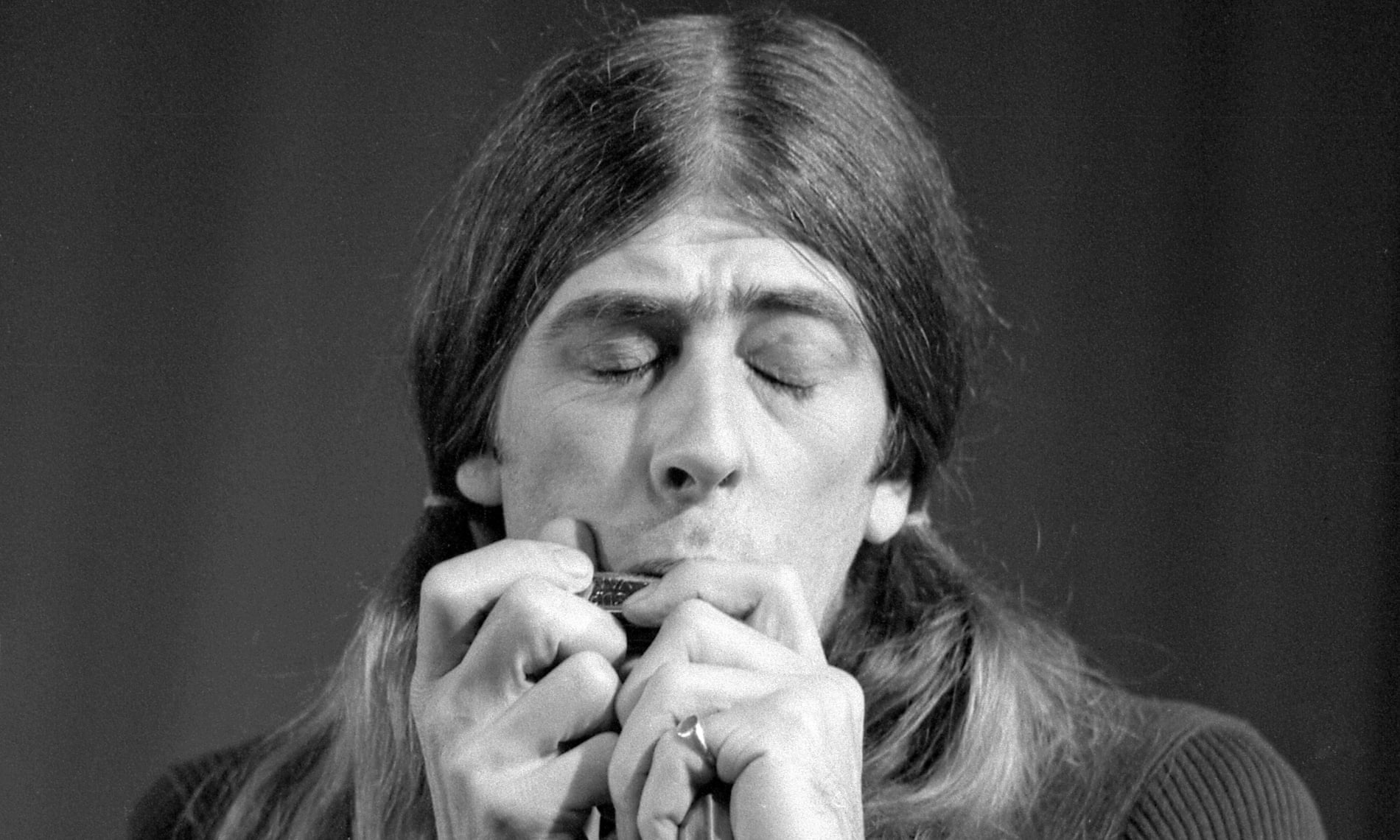
John Mayall UK 1933- 2024
John Mayall plays the harmonica in this picture from 1970.
Photograph: Claus Hampel AP
John Mayall, pioneering figure of British blues, dies aged 90 Influential musician, whose band the Bluesbreakers played leading role in 60s blues revival, dies at home in California G Wed 24 Jul 2024 08.23 CEST First published on Wed 24 Jul 2024 02.54 CEST
https://www.theguardian.com/music/article/2024/jul/23/
John Mayall & the Bluesbreakers live Set 1 - 06/18/1982 - Capitol Theatre
John Mayall & the Bluesbreakers - Set 1 - 06/18/82 - Capitol Theatre (OFFICIAL) music video Full Concert Recorded Live: 6/18/1982 - Capitol Theatre (Passaic, NJ)
Personnel: John Mayall - vocals, guitar, piano, harmonica Mick Taylor - lead guitar John McVie - bass Colin Allen - drums
Guests: Albert King - vocals, lead guitar Sippie Wallace - vocals Buddy Guy - lead guitar Junior Wells - vocals, harmonica Hubert Sumlin - vocals Etta James - vocals Frank Dunbar (bass on Albert King's songs)
Summary: This is a great show when Mayall reunited original 1960s-era Bluesbreakers Mick Taylor, John McVie (Fleetwood Mac bassist) and drummer Colin Allen.
Its a goldmine for fans of Mick Taylor, who is all over this, and includes quite a roster of blues greats joining in, including a smokin hot appearance by Albert
King. YouTube https://www.youtube.com/watch?v=IYoJ7Qh1Sx8
John Mayall & the Bluesbreakers live Set 2 - 06/18/1982 - Capitol Theatre
John Mayall & the Bluesbreakers - Set 2 - 06/18/82 - Capitol Theatre (OFFICIAL) music video Full Concert Recorded Live: 6/18/1982 - Capitol Theatre (Passaic, NJ) YouTube https://www.youtube.com/watch?v=Ec9Pyo_3cAI
Influential musician, whose band the Bluesbreakers played leading role in 60s blues revival
https://www.theguardian.com/music/article/2024/jul/23/
https://en.wikipedia.org/wiki/
https://en.wikipedia.org/wiki/
https://www.nytimes.com/2026/03/24/
https://www.theguardian.com/music/article/2024/jul/24/
https://www.npr.org/2024/07/24/
https://www.theguardian.com/music/article/2024/jul/23/
https://www.theguardian.com/music/2014/dec/02/
https://www.theguardian.com/music/2002/nov/15/
https://en.wikipedia.org/wiki/
Otis Rush Jr USA 1935-2018
Blues legend Otis Rush ('s) unique style of soloing and powerful tenor voice helped shape the Chicago blues sound and deeply influenced a generation of blues and rock musicians
https://www.npr.org/2018/09/30/
https://www.npr.org/2018/09/30/
Matthew Tyler Murphy USA 1929-2018
master bluesman who played with Howlin’ Wolf, Etta James, Chuck Berry and Memphis Slim but was best known as a member of the Blues Brothers band
(...)
Mr. Murphy began his career in Memphis before moving in the 1950s to Chicago, which was then at the epicenter of a new kind of hard-driving, heavily electrified blues.
His harmonically sophisticated, jazz-inflected guitar playing established him as a mainstay of the Chicago scene, and a true original.
https://www.nytimes.com/2018/06/19/
https://www.nytimes.com/2018/06/19/
CeDell Davis USA 1926 or 1927-2017
Delta bluesman from Arkansas who used a knife for a guitar slide
(...)
Mr. Davis spent decades performing around the South at juke joints and house parties before a broader audience got a chance to hear his electrified rural blues in the 1980s.
His voice was a grainy moan as he sang about woman troubles and hard luck;
his guitar could drive dancers with boogie and shuffle beats or play leads that were lean and gnarled, gliding smoothly and then coiling into a dissonant sting.
After childhood polio constricted his hands, he developed his own technique of using a knife along the fretboard of his guitar.
The New York Times critic Robert Palmer called it “a guitar style that is utterly unique, in or out of the blues.”
https://www.nytimes.com/2017/10/01/
https://www.nytimes.com/2017/10/01/
Ms. Hopkins USA 1924-2017
Linda Hopkins ('s) soaring, gospel-rooted voice was heard on Broadway in the 1970s in “Inner City” and the one-woman show “Me and Bessie,” and in the 1980s in the long-running revue “Black and Blue”
https://www.nytimes.com/2017/04/11/
https://www.nytimes.com/2017/04/11/
James Henry Cotton USA 1935-2017
one of the foremost blues harmonica players of the 20th century
(...)
The Grammy Award-winning Cotton was born July 1, 1935, on a Mississippi cotton plantation and began playing the harmonica at age 9.
As a teenager, he was mentored by Sonny Boy Williamson II, toured with Howlin' Wolf and recorded sessions at the legendary Sun Records studio.
Starting at the age of 20, Cotton spent 12 years on the road with Muddy Waters and was featured on Waters' records At Newport 1960.
http://www.npr.org/sections/therecord/2017/03/16/
http://www.npr.org/sections/therecord/2017/03/16/
https://www.nytimes.com/2017/03/16/
Lonnie Mack USA 1941-2016
born Lonnie McIntosh
guitarist and singer whose impassioned, fast-picking style on the early 1960s instrumentals “Memphis” and “Wham!” became a model for the blues-rock lead-guitar style and a seminal influence on a long list of British and American artists
(...)
Mr. Mack was a country boy from southern Indiana who grew up on the Grand Ole Opry, rhythm and blues radio, and the gospel music he sang at his local church, influences that he blended as both a singer and guitarist.
“Memphis,” his instrumental version of Chuck Berry’s “Memphis, Tennessee,” was a rockabilly-blues ripsnorter with a scorching 12-bar solo.
Released in 1963, it rose to No. 5 on the pop charts, sold more than a million copies and galvanized young guitar players around the world.
The music historian Richard T. Pinnell called “Memphis” “a milestone in early rock guitar” in Guitar Player magazine in 1979.
Just as influential was “Wham!”, also from 1963, with its flamboyant use of a vibrato bar, a device that became known as a whammy bar.
“Mack took the rough, country-inspired rockabilly style of the ’50s and rocketed it into the future,” the music critic Greg Kot wrote in The Chicago Tribune in 1989.
“He played it hot, with screaming single-note sustains and shuddering vibrato, a siren call to a legion of aspiring guitar heroes.”
The records were studied closely by a long list of British and American guitarists, including Jeff Beck, Duane Allman, Dickey Betts, Jimmy Page and Stevie Ray Vaughan.
In 1980, Guitar World placed Mr. Mack’s 1964 album, “The Wham of That Memphis Man!,” first on a list of 50 landmark records, ahead of recordings by Jimi Hendrix, Cream, Mr. Beck, the Paul Butterfield Blues Band and the Allman Brothers.
https://www.nytimes.com/2016/04/23/
https://en.wikipedia.org/wiki/
https://www.nytimes.com/2016/04/23/
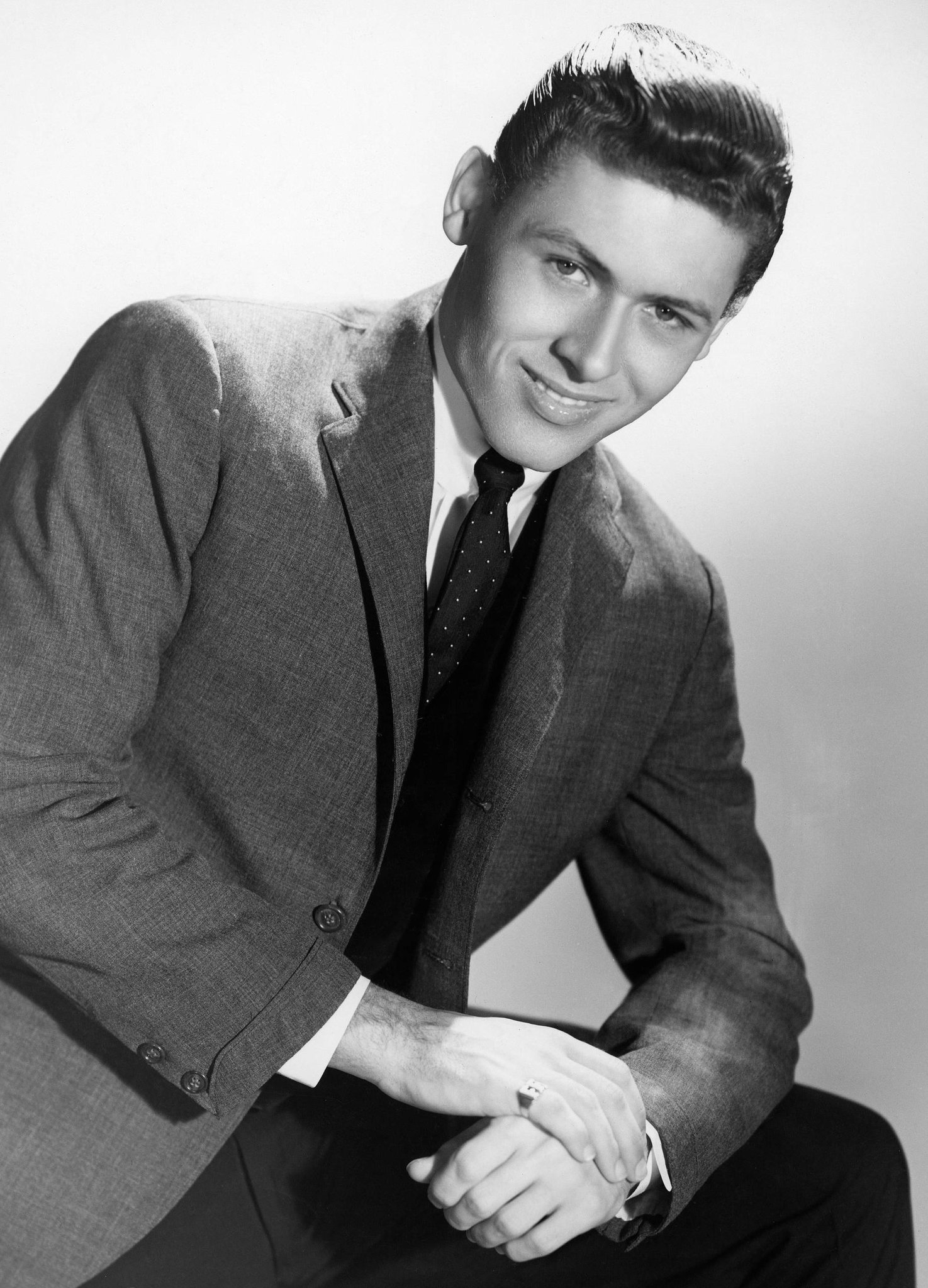
Frankie Ford USA 1939-2015
Frankie Ford in 1959.
Bruno of Hollywood, via Gems/Redferns
Frankie Ford, Singer of ‘Sea Cruise,’ Dies at 76 NYT SEPT. 30, 2015
https://www.nytimes.com/2015/10/01/
Frankie Ford USA 1939-2015
(born Francis Guzzo)
singer whose hit record “Sea Cruise” brought him international fame when he was 19
(...)
“Sea Cruise,” which combined a bouncy, hard-charging rhythm with simple, upbeat lyrics (“Be my guest, you got nothin’ to lose/ Won’t you let me take you on a sea cruise?”), reached No. 14 on Billboard magazine’s pop singles chart and No. 11 on the rhythm-and-blues list in 1959.
It was Mr. Ford’s only Top 40 single.
The song was written by the New Orleans R&B pianist Huey Smith and originally recorded (but not released) by Mr. Smith and his group the Clowns.
Mr. Ford was among the white Louisiana artists brought to Cosimo Matassa’s New Orleans studio to cover songs by local black musicians, whose records were receiving limited airtime because of racial discrimination.
Ace Records, which was Mr. Smith’s label as well as Mr. Ford’s, had Mr. Ford record a new vocal over the Smith band’s backing track.
https://www.nytimes.com/2015/10/01/
https://www.nytimes.com/2015/10/01/
James Lewis Carter Ford USA 1923-2013 aka T-Model Ford
American legends: T Model Ford Video Guardian Music 20 June 2011
Jamie-James Medina's interview with T Model Ford for Observer Music Monthly's American legends.
YouTube https://www.youtube.com/watch?v=D8j3NUzPBw4
raw-sounding, mesmerizing guitarist and singer who was among the last of the old-time Delta bluesmen — and whose career was all the more noteworthy for his not having picked up a guitar until he was almost 60 —
http://www.nytimes.com/2013/07/19/
https://en.wikipedia.org/wiki/
https://en.wikipedia.org/wiki/
https://www.nytimes.com/2013/07/19/
http://www.guardian.co.uk/music/2013/jul/19/
Robert Calvin Brooks USA 1930-2013
aka Bobby (Blue) Bland
debonair balladeer whose sophisticated, emotionally fraught performances helped modernize the blues
https://www.nytimes.com/2013/06/25/
https://www.nytimes.com/2013/06/25/
James Henry Dawkins USA 1936-2013
aka Jimmy Dawkins
Chicago blues guitarist whose prodigious technique earned him the nickname Fast Fingers, and whose admirers included a number of guitarists far more famous than he was
https://www.nytimes.com/2013/04/19/
https://www.nytimes.com/2013/04/19/
Morris Holt / Magic Slim USA 1937-2013
McHouston Baker USA 1925-2012
Mickey Baker's prickly, piercing guitar riffs were featured on dozens if not hundreds of recordings and helped propel the evolution of rhythm and blues into rock ’n’ roll
https://www.nytimes.com/2012/11/30/
https://www.guardian.co.uk/music/2012/dec/02/
https://www.nytimes.com/2012/11/30/
Hubert Sumlin 1931-2011
Of the blues that were most closely listened to in the early 60s by young guitarists such as Eric Clapton, Keith Richards and Jimmy Page, many were by Howlin' Wolf, and, of those, not a few featured a guitarist, then still young himself, who could steal a scene even from so charismatic a performer.
Hubert Sumlin (...) thus became one of the most revered of blues guitarists, and in his later years younger musicians practically lined up to play with him or have him guest on their recordings.
https://www.theguardian.com/music/2011/dec/05/
https://www.theguardian.com/music/2011/dec/05/
http://www.guardian.co.uk/music/2011/dec/09/
Phoebe Snow 1950-2011
Her signature hit, “Poetry Man,” established her as a leading light of the singer-songwriter movement and whose swooping vocal acrobatics transcended musical genres
https://www.nytimes.com/2011/04/27/
https://www.nytimes.com/2011/04/27/
Joe Willie Perkins USA 1913-2011
boogie-woogie piano player who worked in Muddy Waters’s last great band and was among the last surviving members of the first generation of Delta bluesmen
https://www.nytimes.com/2011/03/22/
https://www.nytimes.com/2011/03/22/
Edward Kirkland Jamaica, USA 1923-2011
For more than half a century Eddie Kirkland played the blues, and for much of that time he seemed to have known the blues firsthand.
As a child, he was poor in the Jim Crow South.
As an adult, he lived through the deaths of several children, including the murder of the niece he had reared as a daughter.
By his own account, he also survived two shootings and spent time on a chain gang.
A guitarist, singer, songwriter and harmonica player, Mr. Kirkland performed with some of the greatest names in blues and soul, including John Lee Hooker and Otis Redding.
But he remained somewhat in the shadow of the stars, not as widely known as they and not remotely as well off. (Both conditions, by all accounts, were fine with him.)
He kept a rigorous touring schedule.
Until several years ago, he spent more than 40 weeks a year on the road; more recently, he toured two weeks out of every four.
His itinerant life long ago earned him the nickname the Gypsy of the Blues. https://www.nytimes.com/2011/03/07/arts/music/07kirkland.html
https://www.nytimes.com/2011/03/07/arts/music/
Gary Moore Northern Ireland 1952-2011
Gary Moore W Albert King Stormy Monday (Live At Hammersmith Odeon`90) music video YouTube https://www.youtube.com/watch?v=6V48_CvbHP8
https://www.theguardian.com/music/
https://en.wikipedia.org/wiki/
https://www.theguardian.com/music/2011/feb/07/
https://www.theguardian.com/music/musicblog/2011/feb/07/
https://www.theguardian.com/music/2011/feb/06/
Albert Abraham "Little Smokey" Smothers USA 1939-2010
The guitarist and singer Little Smokey Smothers (...) was an influential mentor on the Chicago blues scene in the 1960s.
He was best known for his involvement in bringing together the young musicians who became the groundbreaking Paul Butterfield Blues Band.
Smothers first saw Butterfield playing harmonica on the sidewalk in Chicago's Hyde Park neighbourhood in the early 60s.
Impressed by his prodigious ability, he incorporated Butterfield into his South Side revue, a regular event at the Blue Flame club on 39th Street.
The venue became a magnet for an enthusiastic coterie of young, white blues players, including the guitarists Mike Bloomfield and Elvin Bishop. http://www.guardian.co.uk/music/2010/dec/13/little-smokey-smothers-obituary
http://www.guardian.co.uk/music/2010/dec/13/
Phillip Guy USA 1940-2008
Born in Lettsworth, Louisiana, the third son of sharecropper parents, Phil quickly fell under the spell of the crackling 50,000-watt beacon of rhythm and blues that was the Nashville-based radio station WLAC.
Soon, both he and his older brother Buddy were playing the guitar, emulating the sounds of local heroes such as Slim Harpo and Lightnin' Slim.
A left-handed player, Phil learned to play upside-down on a conventionally strung instrument of Buddy's and once recalled how he would take the guitar down to the bayou to play because he liked the sound of the echo coming off the water. http://www.guardian.co.uk/music/2008/sep/18/popandrock.usa
http://www.guardian.co.uk/music/2008/sep/18/
Carey Bell USA 1936-2007
distinctive Chicago blues harmonica player (...), who performed with both Muddy Waters and Willie Dixon
(...)
''Carey took the big tone that Little Walter brought with amplifying the harmonica in the first place and using distortion from the microphone to thicken the sound of the instrument, and he combined that with a funkier, more contemporary rhythm feel''
(...)
Carey Bell Harrington was born on Nov. 14, 1936, in Macon, Miss.
He wanted a saxophone but his family could not afford one.
Instead, his grandfather bought him a harmonica.
http://query.nytimes.com/gst/fullpage.html?
http://query.nytimes.com/gst/fullpage.html?
Jessie May Hemphill 1933 or 1934-2006
Lineage has always been important to blues musicians, and the singer, guitarist and drummer Jessie Mae Hemphill, (...) had more than most.
Her grandfather, Sid Hemphill, was a highly regarded player of fiddle, fife and quills (panpipes) in the Tate and Panola counties of north-west Mississippi, and was recorded there in 1942 by the folklorist Alan Lomax for the US Library of Congress. http://www.guardian.co.uk/news/2006/aug/08/guardianobituaries.usa1
http://www.guardian.co.uk/news/2006/aug/08/
John William Henderson 1910-2006
aka Homesick James
http://www.guardian.co.uk/news/2007/jan/27/
Robert Lee Burnside USA 1926-2005
The Mississippi blues musician RL Burnside, (...) was first recognised as a performer in the late 1960s, but only came to international prominence in the 1990s when he was marketed as a living Mississippi "primitive" to young, white rock audiences.
For the last decade of his life, Burnside was championed by the international media, earned six figure sums and outsold every other black blues icon except BB King and the late John Lee Hooker. http://www.guardian.co.uk/news/2005/sep/05/guardianobituaries.artsobituaries
http://www.guardian.co.uk/news/2005/sep/05/
Clarence "Gatemouth" Brown 1924-2005
http://www.theguardian.com/news/2005/sep/20/
Brother John Sellers USA 1924-1999
singer known for his raw and earthy rendition of blues, jazz and gospel music
(...)
Mr. Sellers learned to perform by watching itinerant singers like Robert Johnson and Blind Lemon Jefferson on the streets of Clarksville, Miss., where he was born.
By age 5, he was dancing, singing and playing the tambourine in tent shows put on by the Sanctified church, whose worshipers were known as Holy Rollers.
httpz://www.nytimes.com/1999/04/11/
httpz://www.nytimes.com/1999/04/11/
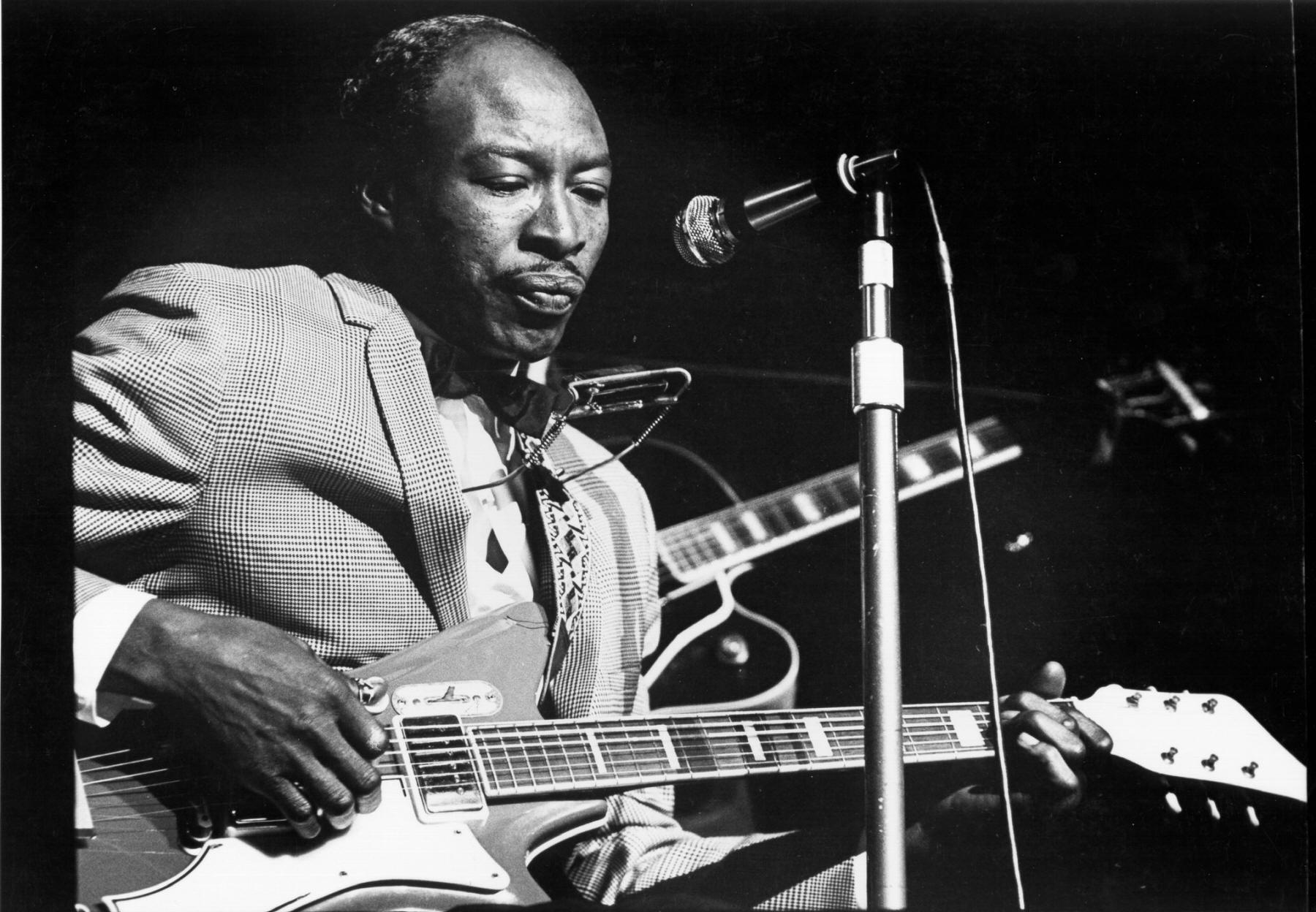
Johnny Clyde Copeland USA 1937-1997
James / Jimmy Witherspoon USA 1920-1997
https://www.npr.org/sections/ablogsupreme/2010/12/21/
https://www.npr.org/2008/07/02/
https://www.nytimes.com/1997/09/22/
https://www.nytimes.com/1988/01/22/
https://www.nytimes.com/1987/05/10/
https://www.nytimes.com/1987/05/10/
Rory Gallagher Ireland 1948-1995
William James "Willie" Dixon 1915-1992
Willie Dixon - Interview - 7/6/1984 music video Rock Influence (Official)
YouTube > Docs&Interviews on MV
Willie Dixon (...) wrote blues standards and produced many classic blues albums
(...)
As a songwriter, producer, arranger and bassist, Mr. Dixon was a towering figure in the creation of Chicago blues, which was in turn a cornerstone of rock-and-roll.
His songs were performed by leading blues figures, including Muddy Waters and Howlin' Wolf, and picked up by rock bands including the Rolling Stones, Cream and the Doors.
The lusty imagery, laconic humor and hints of mysterious ritual in his best songs made them sound like age-old folk poems.
https://www.nytimes.com/1992/01/30/
https://www.nytimes.com/1992/01/30/
Roy Buchanan USA 1939-1988
Roy Buchanan Live At Rockpalast 1985 (Full Concert Video) music video
The Rolling Stones wanted him to replace Brian Jones, and Eric Clapton asked him to play the guitar for Derek & The Dominos – but he turned down both offers.
ROY BUCHANAN was a true master of the Fender Telecaster guitar; and his playing technique significantly influenced musicians such as Gary Moore and Jeff Beck.
He moved to Los Angeles when he was a teenager and played in the band Heartbeats with Spencer Dryden.
After this, he went on tour with Dale Hawkins and played with Robbie Robertson (The Band) who described BUCHANAN as one of his main influences.
In the sixties ROY BUCHANAN got married, moved to Washington D. C. and worked as a studio musician for more than one hundred album productions.
His first solo album was only released in 1971 and which led to the result that he and his inimitable playing of the Fender Telecaster was a well-kept secret among the likes of John Lennon, Eric Clapton and the Rolling Stones.
Despite this reputation and the huge success he experienced in the seventies, BUCHANAN felt restricted in the creativity granted to him by the record companies.
In 1981 he decided to go on a four year break. This Rockpalast concert was recorded at the Markthalle in Hamburg on February 24, 1985 – just three years before his tragic suicide.
It is a performance that shows ROY BUCHANAN’s genius on the guitar in an extremely unique way – especially with his brilliant covers by artists including Jimi Hendrix or Don Gibson.
An impressive legacy!
Lineup: ROY BUCHANAN - guitar, vocals MARTIN STEVENSON - vocals JOHN STEELE - guitar, keyboards, vocals ANTHONY DUMM - bass MARTIN YULA - drums
YouTube https://www.youtube.com/watch?v=NL7yByywuWg
http://en.wikipedia.org/wiki/
https://www.nytimes.com/1988/08/17/
https://www.nytimes.com/1984/05/04/
https://www.nytimes.com/1973/04/15/
https://www.nytimes.com/1973/01/01/
https://www.nytimes.com/1972/06/23/
Clifton Chenier USA 1925-1987
https://en.wikipedia.org/wiki/
https://www.theguardian.com/global/2023/may/08/
https://www.theguardian.com/music/2020/dec/09/
https://www.theguardian.com/film/2013/apr/12/
https://www.nytimes.com/2000/10/08/
https://www.nytimes.com/1989/02/09/
https://www.nytimes.com/1988/08/06/
https://www.nytimes.com/1987/12/14/
https://www.nytimes.com/1985/07/31/
https://www.nytimes.com/1979/04/08/
"Big Mama" Thornton USA 1926-1984
Jimmy Reed USA 1925-1976
The American blues singer and musician Jimmy Reed, around 1965.
Photograph: Val Wilmer Redferns, via Getty Images
The Rolling Stones Paint It Blue on Their New Album By JON PARELES NYT NOV. 9, 2016
https://www.nytimes.com/2016/11/13/
Mathis James Reed USA 1925-1976
"Jimmy" Reed
https://en.wikipedia.org/wiki/
https://www.nytimes.com/2016/11/13/
https://www.theguardian.com/theobserver/2002/aug/11/
Fred "Freddie" King USA 1934-1976
Born and raised in Texas, Freddie King learned guitar basics from his mother and uncle.
At first, he soaked up acoustic blues and Texas country, but in late 1949, at the age of 15, he moved to Chicago with his family.
It was there that King learned from such electric Chicago blues greats as Jimmie Rodgers and Muddy Waters and eventually came up with his signature sound.
King's blues style was fluid, but with biting power that was arguably more forceful than that of many other bluesmen of his day (with the notable exception of living legend Buddy Guy).
King used thumb and finger picks and would just dig into his Gibson 355 — hung precariously over just his right shoulder — creating what are now classic, deeply influential and riveting solos.
King's versions of blues classics such as "Key to the Highway," "I'm Tore Down" and "Have You Ever Loved a Woman" have become part of the blues-rock pantheon.
https://www.npr.org/2012/04/12/
https://www.npr.org/2012/04/12/
https://www.npr.org/2010/07/14/
Aaron Thibeaux "T-Bone" Walker USA 1910-1975
T-Bone Walker w/ Jazz At The Philharmonic - Live in UK 1966 music video
YouTube https://www.youtube.com/watch?v=pFqK6PBq-hA
Blues star T-Bone Walker (...) inspired BB King to play the electric guitar and led the way for Jimi Hendrix to play guitar with his teeth
http://www.telegraph.co.uk/culture/music/worldfolkandjazz/11467455/
https://www.telegraph.co.uk/culture/music/worldfolkandjazz/11467455/
https://www.theguardian.com/music/2011/jun/16/
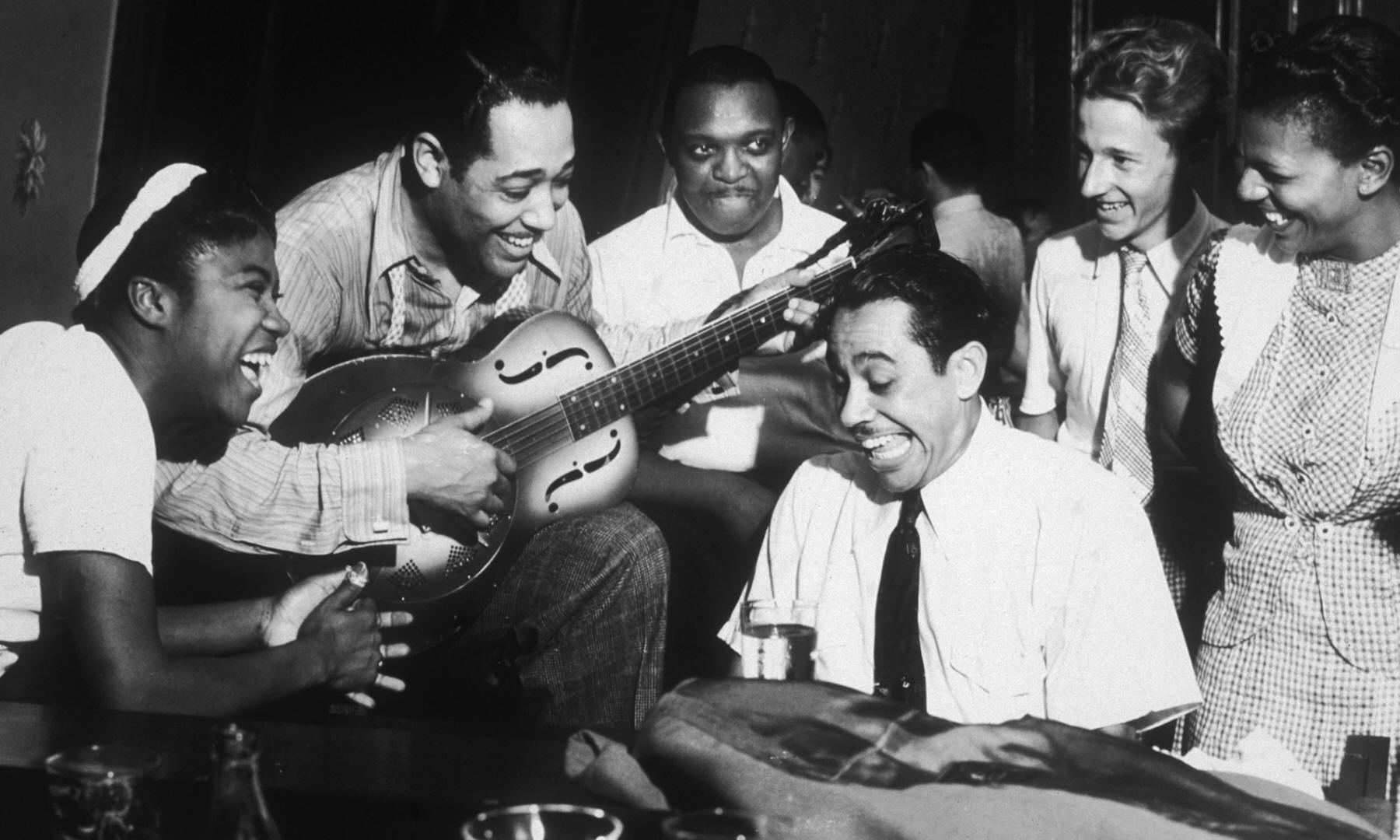
Sister Rosetta Tharpe USA 1915-1973
Rosetta Tharpe, left, with Duke Ellington on guitar and Cab Calloway on piano in 1939.
Photograph: Charles Peterson Getty Images
Sister Rosetta Tharpe: the godmother of rock’n’roll G Wednesday 18 March 2015 18.14 GMT Last modified on Friday 20 March 2015 15.57 GMT
https://www.theguardian.com/music/2015/mar/18/
Sister Rosetta Tharpe - This Train music video YouTube > joantgv1 https://www.youtube.com/watch?v=jOrhjgt-_Qc
https://www.theguardian.com/music/2015/mar/18/
Fred McDowell USA 1904-1972
Mr. McDowell, recorded in Sept. 25, 1959, was farming cotton in Como, Miss., when Lomax, in the area to record other country blues artists, first encountered him.
Mr. McDowell went on to make a dozen albums, tour extensively and hear his "You Got to Move" covered by the Rolling Stones.
https://www.nytimes.com/interactive/2012/01/30/
Video YouTube https://www.youtube.com/watch?v=478MF96BRqc
https://en.wikipedia.org/wiki/
http://www.theguardian.com/music/2014/jul/02/
http://www.nytimes.com/2012/01/31/
http://www.nytimes.com/interactive/2012/01/30/
Alonzo "Lonnie" Johnson 1899-1970
Lonnie Johnson - Another Night To Cry YouTube https://www.youtube.com/watch?v=n8fyb9vpIc0
Nehemiah Curtis "Skip" James USA 1902-1969
Skip James sings "Crow Jane"
Blues legend Skip James sings "Crow Jane." From 1967.
YouTube https://www.youtube.com/watch?v=ytVww5r4Nk0
Marion Walter Jacobs USA 1930-1968
aka Little Walter
Born in Louisiana in 1930, Little Walter played in Muddy Waters's band, and after his 1952 harmonica solo "Juke" became popular, he successfully led his own bands, becoming one of the major figures in postwar Chicago blues.
Influenced by guitarists as well as by senior harmonica players, he brought a singular variety of phrasing to the blues harmonica.
He was inducted into the Rock and Roll Hall of Fame in 2008. http://www.biography.com/people/little-walter-9383615
https://www.nytimes.com/2016/11/13/
J.B. Lenoir USA 1929-1967
J.B. Lenoir sings Down in Mississippi Video
J. B. Lenoir (March 5, 1929 -- April 29, 1967) was an African American blues guitarist and singer-songwriter, active in the 1950s and 1960s Chicago blues scene.
In 1963, Lenoir recorded for USA Records as 'J. B. Lenoir and his African Hunch Rhythm', developing an interest in African percussion.
However, he struggled to work as a professional musician and for a time took menial jobs, including working in the kitchen at the University of Illinois in Champaign.
Lenoir was rediscovered by Willie Dixon, who recorded him with drummer Fred Below on the albums Alabama Blues and Down In Mississippi (inspired by the Civil Rights and Free Speech movements).
Lenoir's work had direct political content relating to racism and the Vietnam War.
The 2003 documentary film The Soul of a Man, directed by Wim Wenders as the second instalment of Martin Scorsese's series The Blues, explored Lenoir's career, together with those of Skip James and Blind Willie Johnson. https://www.youtube.com/watch?v=mvADUarQM8I
http://www.wim-wenders.com/movies/movies_spec/
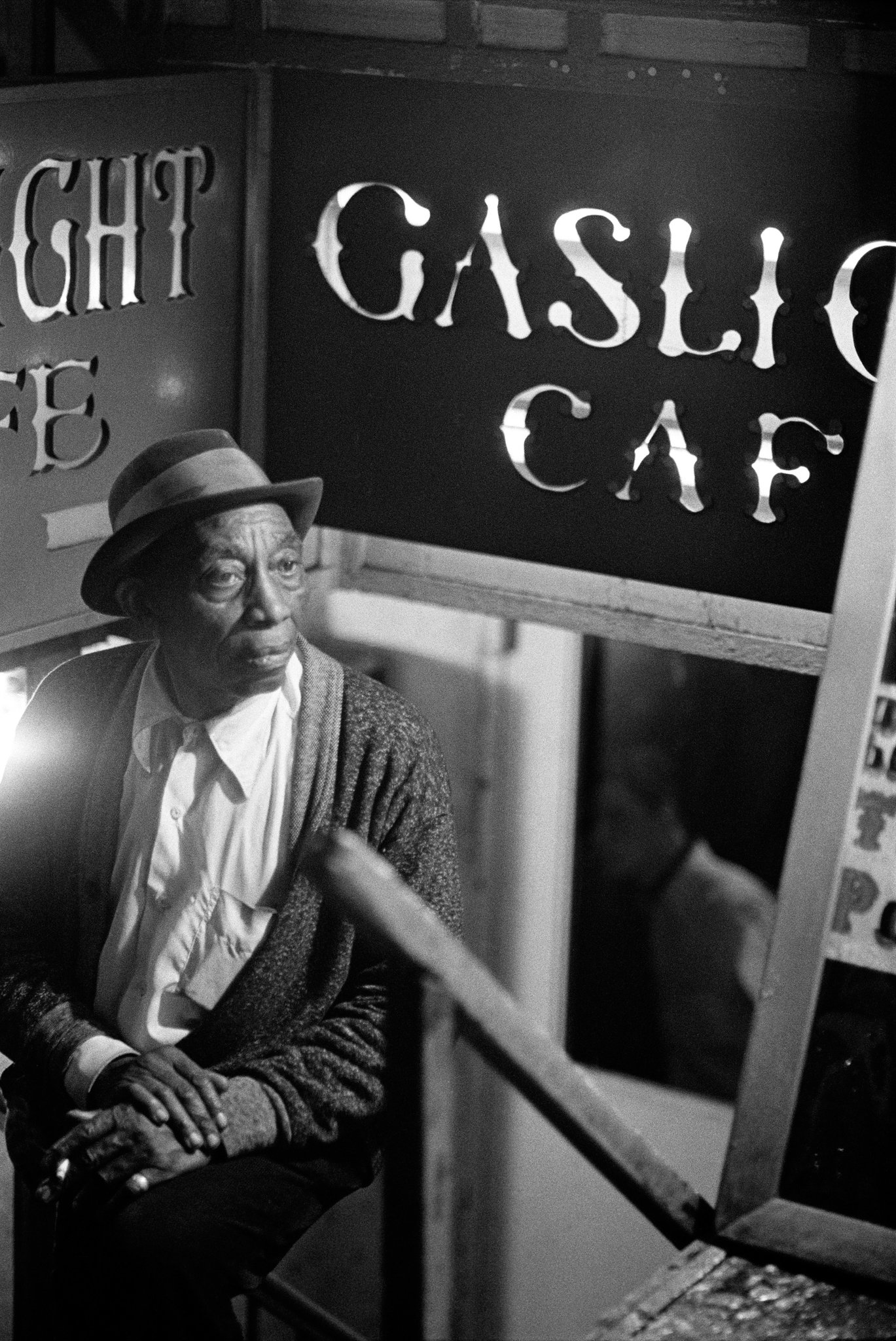
John Smith Hurt 1892 or 1893-1966
The country blues singer and guitarist Mississippi John Hurt, outside the Gaslight Cafe. New York. 1963.
Robert James Campbell, via the City of Burlington, Vt.
Photographs as Clues to a Mysterious Bohemian Life By John Leland NYT Feb. 19, 2016
https://archive.nytimes.com/lens.blogs.nytimes.com/2016/02/19/
John Smith Hurt 1892 or 1893-1966
aka Mississippi John Hurt
https://en.wikipedia.org/wiki/
Alex or Aleck Miller (né Ford) USA 1912-1965 aka Willie "Sonny Boy" Williamson II
https://www.npr.org/sections/ablogsupreme/2011/06/16/
Elmore James USA 1918-1963
https://www.youtube.com/watch?v=guupuxcR_RY
Blind Willie McTell USA 1898-1959
(born William Samuel McTier)
Blind Willie McTell Statesboro Blues Video YouTube > Raiwons https://www.youtube.com/watch?v=fnWxZtI3ONY
Big Bill Broonzy USA 1893-1958
Big Bill Broonzy 1957: 3 Songs YouTube https://www.youtube.com/watch?v=N-pShRISHnQ
Big Bill Broonzy USA 1893-1958
(born Lee Conley Bradley)
in Chicago in the 1930s and ’40s, (...) he paved the way for protégés like Muddy Waters and Howlin’ Wolf and, later, the British rockers Eric Clapton and Pete Townshend. https://www.nytimes.com/2011/06/17/us/17cncblues.html
https://www.nytimes.com/2011/06/17/
https://www.nytimes.com/1999/04/11/
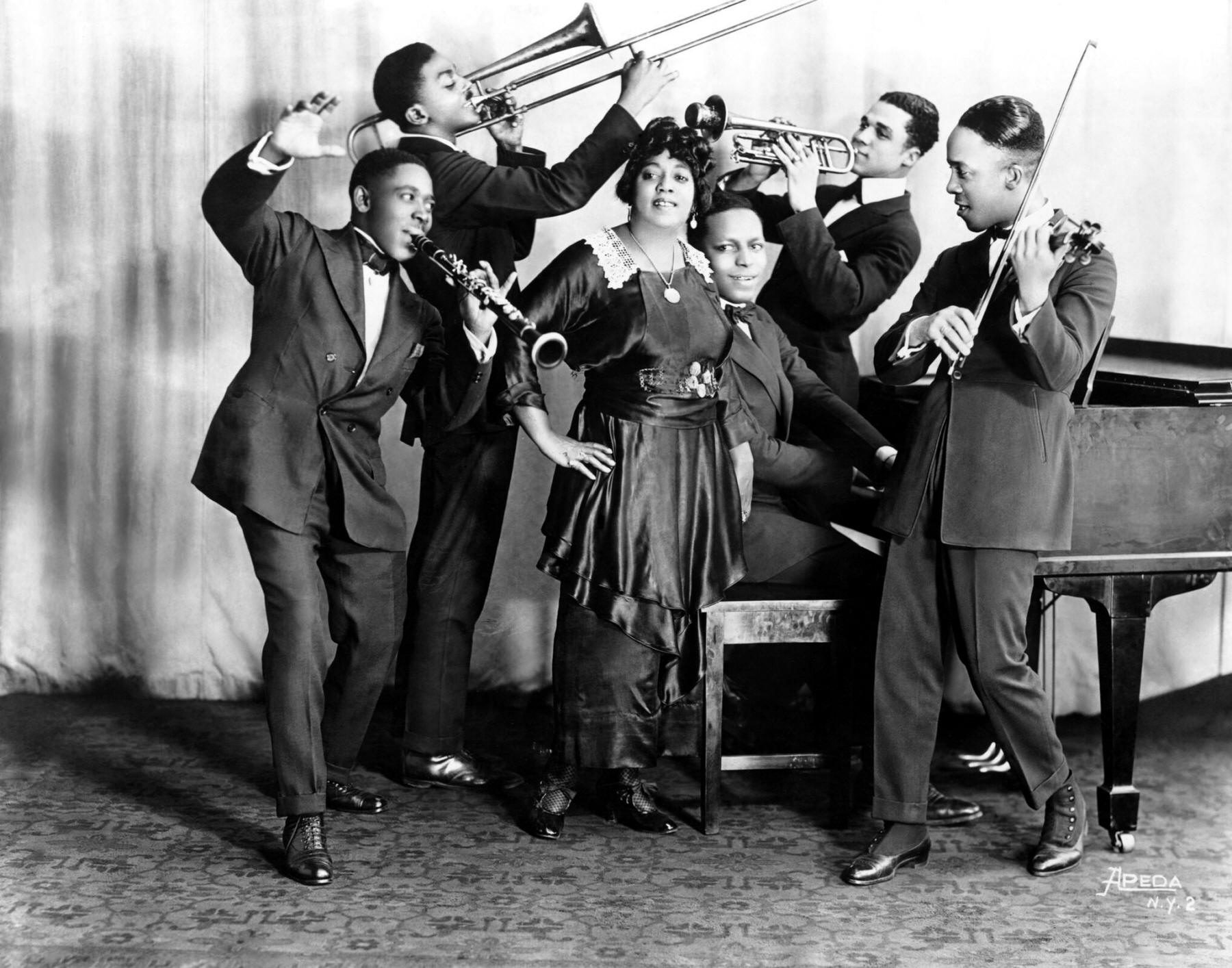
Mamie Smith USA 1891-1946
Mamie Smith recorded “Crazy Blues” — African-American women’s breakthrough into the mainstream recording industry — with the Jazz Hounds in the summer of 1920.
Photograph: Donaldson Collection/Getty Images
100 Years Ago, ‘Crazy Blues’ Sparked a Revolution for Black Women Fans Mamie Smith’s song wasn’t just an artistic breakthrough. It proved Black women and girls bought records, paving the way for today’s fan armies. NYT Published Aug. 10, 2020 Updated Aug. 11, 2020, 12:33 p.m. ET
https://www.nytimes.com/2020/08/10/
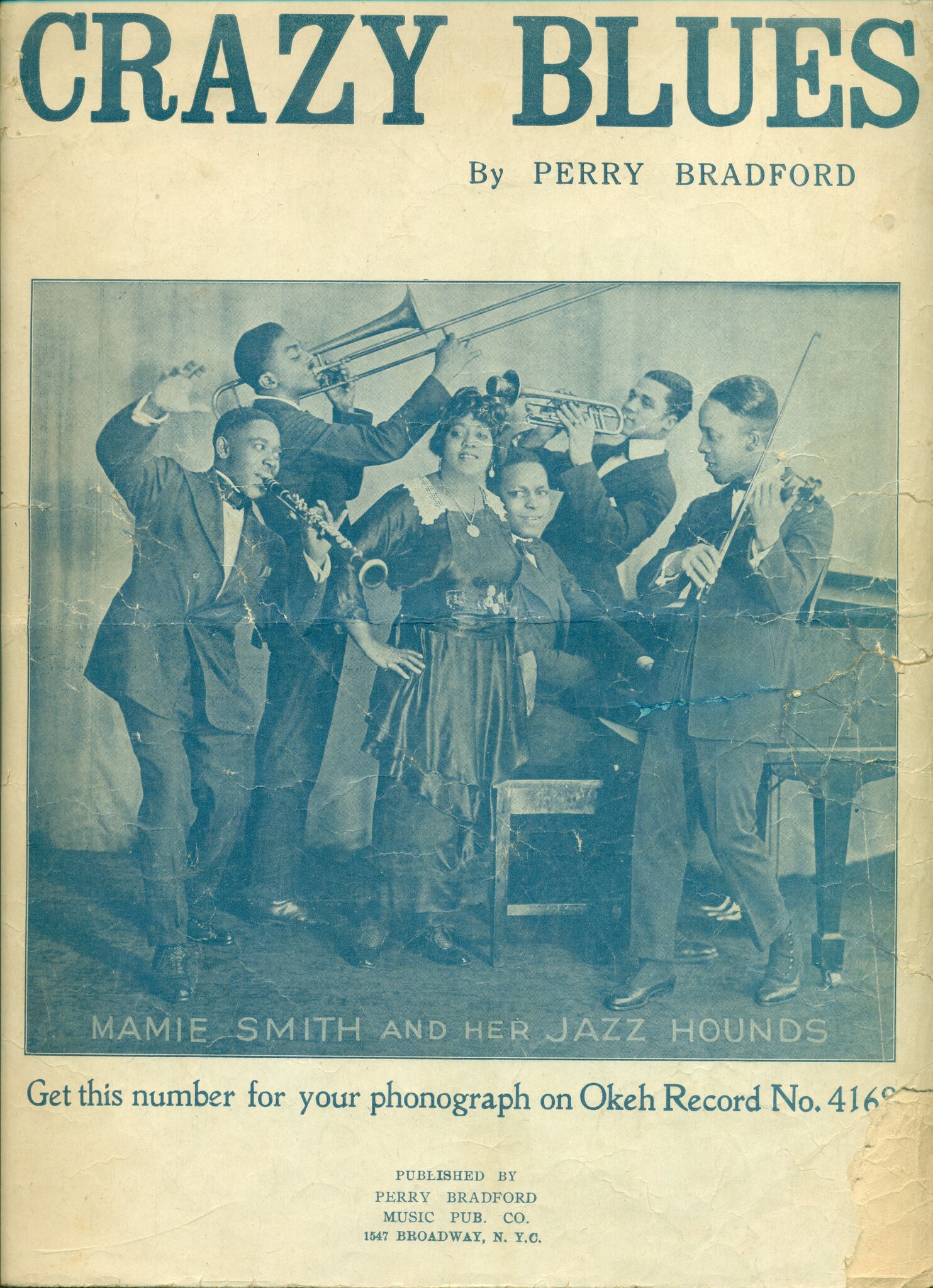
Sheet music cover for “Crazy Blues.”
Photograph: Robert Langmuir African American Photograph Collection at Stuart A. Rose Manuscript, Archives, and Rare Book Library, Emory University
A Song That Changed Music Forever 100 years ago, Mamie Smith recorded a seminal blues hit that gave voice to outrage at violence against Black Americans. NYT Aug. 8, 2020
https://www.nytimes.com/2020/08/08/
Mamie Smith USA 1891-1946
(née Robinson)
On Aug. 10, 1920, two African-American musicians, Mamie Smith and Perry Bradford, went into a New York studio and changed the course of music history.
Ms. Smith, then a modestly successful singer from Cincinnati who had made only one other record, a sultry ballad that fizzled in the marketplace, recorded a new song by Mr. Bradford called “Crazy Blues.”
A boisterous cry of outrage by a woman driven mad by mistreatment, the song spoke with urgency and fire to Black listeners across the country who had been ravaged by the abuses of race-hate groups, the police and military forces in the preceding year — the notorious “Red Summer” of 1919.
“Crazy Blues” became a hit record of unmatched proportions and profound impact.
Within a month of its release, it sold some 75,000 copies and would be reported to sell more than two million over time.
It established the blues as a popular art and prepared the way for a century of Black expression in the fiery core of American music.
As a record, something made for private listening in the home, “Crazy Blues” was able to say things rarely heard in public performances.
Seemingly a song about a woman whose man has left her, it reveals itself, on close listening, to be a song about a woman moved to kill her abusive partner.
As a work of blues, it used the language of domestic strife to tell a story of violence and subjugation that Black Americans also knew outside the home, in a world of white oppression.
The blues worked on multiple levels simultaneously and partly in code, with “my man” or “the man” translatable as “the white man” or “white people.”
https://www.nytimes.com/2020/08/08/
https://www.nytimes.com/2020/08/10/
https://www.nytimes.com/2020/08/08/
Blind Willie Johnson 1897 (?) - 1945
https://en.wikipedia.org/wiki/
"Ma" Rainey USA 1886-1939
https://www.nytimes.com/books/98/03/08/
"Ma" Rainey USA 1882 or 1886-1939
(born Gertrude Pridgett)
https://www.nytimes.com/2019/06/12/
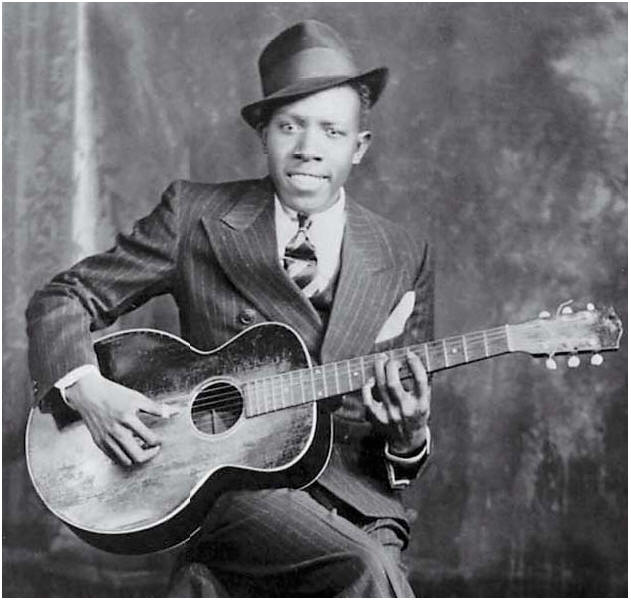
Robert Johnson USA 1911-1938
One of only two known photographs of Robert Johnson
Highway to hell Will Hodgkinson had six months to learn the guitar. Four months later, he’d picked up just a few chords. It was time to take inspiration from one of the all-time great guitarists — and head for the crossroads . . . The Guardian G2 p. 19 9 March 2006 http://arts.guardian.co.uk/features/story/0,,1726766,00.html - broken link
https://en.wikipedia.org/wiki/
https://en.wikipedia.org/wiki/
https://www.npr.org/2020/12/29/
https://www.nytimes.com/2019/09/25/
http://www.nytimes.com/2015/07/02/
http://www.theguardian.com/music/2015/may/23/
http://www.theguardian.com/world/2014/feb/21/
http://www.guardian.co.uk/music/2011/may/08/
Bessie Smith USA 1894-1937
She was big and brown and built high off the ground — "a hell of a woman," men called her, but most women said she was "rough."
And while there were other blues singers in the first half of the 20th century — some who shared her surname — none could be mistaken for Bessie Smith.
Not Mamie Smith or Clara or Trixie or Ruby or Laura.
None of the others could sing with her combination of field holler and Jazz Age sophistication.
None could throw her voice from the stage — without a microphone — and make a balcony seat feel like the front row.
None made such an artistic impression on her contemporaries in jazz, or her disciples in rock 'n' roll.
That's because she was the "Empress of the Blues" — and empress is, by definition, a solo gig.
https://www.npr.org/2018/01/05/
https://www.npr.org/2018/01/05/
https://www.npr.org/2019/08/07/
https://www.npr.org/2019/08/06/
https://www.npr.org/2018/01/05/
https://www.nytimes.com/books/98/03/08/
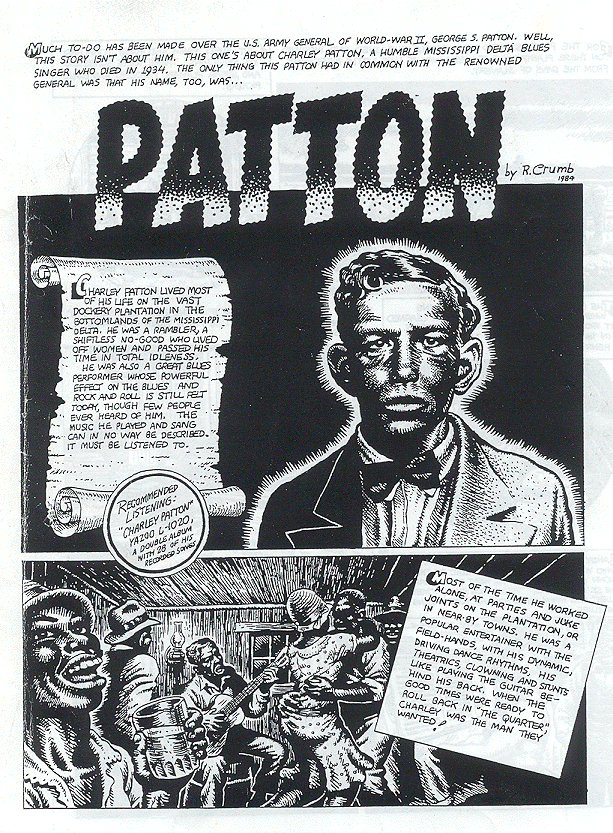
Charlie / Charley Patton 1891-1934
https://en.wikipedia.org/wiki/Charley_Patton
http://www.celticguitarmusic.com/patton1.htm
Skip James, Blind Willie Johnson and J. B. Lenoir
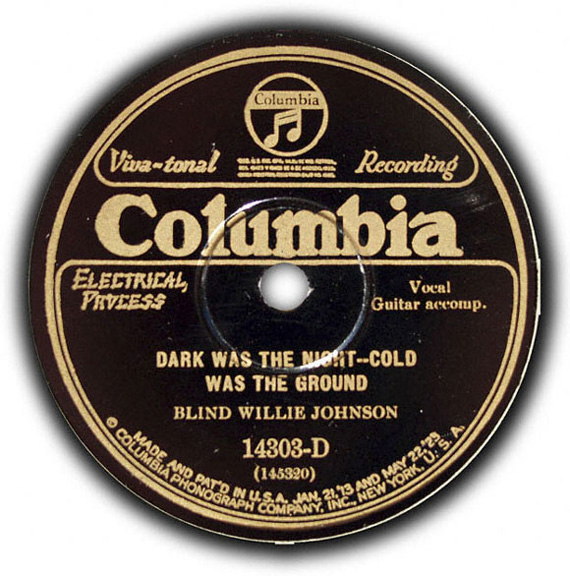
"Dark was the Night-Cold was the Ground" Blind Willie Johnson Columbia 14303 http://bluesimages.com/html/78_blind_willie_johfull1.html
Jack White on the Mississippi blues artists: 'They changed the world'
Jack White learned his craft listening to the blues legends of the 20s and 30s on albums released by a tiny Scottish label.
And now he's rereleasing Document Records' archive on vinyl
http://www.guardian.co.uk/music/2013/mar/07/
Mississippi Delta
https://www.nytimes.com/2001/06/22/
the ballad of Stagolee
https://www.theguardian.com/music/2003/may/09/
Chess Records
http://www.guardian.co.uk/music/2010/nov/06/
Charlie Patton by R. Crumb added 28 March 2005 http://www.celticguitarmusic.com/patton1.htm
Related > Anglonautes > Arts > Music
Related > Anglonautes > History
20th century > USA > Civil rights
17th, 18th, 19th, 20th century
Related > Anglonautes > Vocapedia
|
|
|